Article
The Rhythmic Gymnastics Journey: From Beginner to Elite
Discover how young gymnasts progress from beginners to competitive athletes while building confidence, discipline, skills, and lifelong success
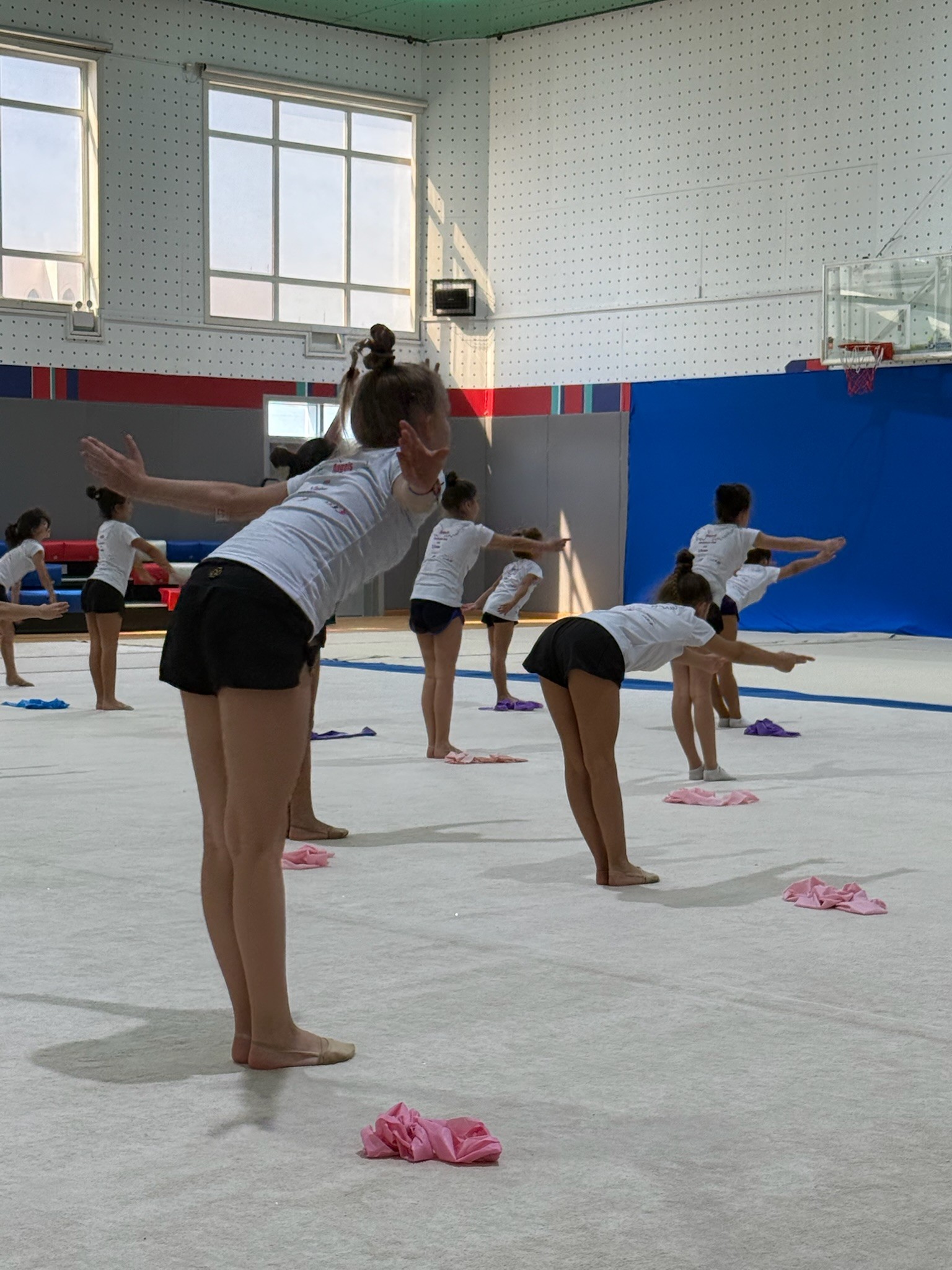
Many parents enroll their daughters in gymnastics for a bit of fun and flexibility, but they soon discover that the sport offers a profound developmental journey. At Grace Gymnastics, we don’t just teach classes; we build athletes. Understanding the "Grace Pathway" helps parents see how a small four-year-old doing her first forward roll can eventually become a graceful, competitive athlete on the international stage.
Rhythmic gymnastics is a unique discipline that requires years of dedication to master. While the end result looks effortless—a seamless blend of dance, acrobatics, and apparatus manipulation—the process is a carefully structured ladder. By recognizing the milestones at each stage, parents can better celebrate the "small wins" that eventually lead to big podium moments.
The Foundation: The Newcomer Phase (Ages 3–6)
The journey begins with the Newcomer phase, where the primary goal is to foster a love for movement while establishing the fundamental building blocks of athleticism. At this age, a child’s brain is like a sponge, making it the perfect time to introduce "physical literacy."
1. Building Physical Literacy and Coordination
In these early years, we focus on gross motor skills. Exercises are designed to improve balance, spatial awareness, and basic body shapes like the "tuck," "pike," and "stretch." Simple tasks, such as walking on a beam or executing a controlled forward roll, develop the vestibular system and proprioception. These aren't just gymnastics skills; they are life skills that prevent clumsiness and build a sturdy physical foundation for any sport the child might pursue later.
2. The Psychological Shift: Discipline and Focus
Beyond the physical, the Newcomer phase introduces the "Etiquette of the Mat." For many 4-year-olds, this is their first experience in a structured environment outside of school. They learn to listen to a coach, follow multi-step instructions, and wait for their turn. This subtle shift from "play" to "practice" is vital for cognitive development, teaching young girls the value of focus and the beginning of self-discipline.
The Intermediate Ascent: The Experienced Phase
Once a gymnast has mastered her body weight and basic flexibility, she moves into the Experienced phase. This is often the most exciting time for a young athlete, as the training becomes more specialized and the artistic elements of rhythmic gymnastics truly begin to shine.
1. Introducing the Art of the Apparatus
This stage marks the introduction of the five rhythmic apparatus: the hoop, ball, ribbon, clubs, and rope. Handling an external object while performing a leap or a balance requires an incredible level of hand-eye coordination. A gymnast learns how to "feel" the weight of the ball and the flight path of the ribbon. This multi-tasking—managing both the body and the object—sharpens the mind and provides a fresh, engaging challenge that keeps students motivated.
2. Strength, Conditioning, and Ballet Foundations
To handle the apparatus effectively, the gymnast needs more power. We introduce specific conditioning exercises to strengthen the core, ankles, and back. Simultaneously, we deepen the integration of Ballet Foundations. Classical ballet training ensures that every movement is executed with the "Grace" that is our namesake—taught through proper arm carriage, pointed toes, and elegant posture.
The Pinnacle: The Excellent (Competitive) Track
The Excellent track is designed for those who have shown the talent, passion, and work ethic to represent Grace Gymnastics at a higher level. This is no longer just an after-school activity; it is a lifestyle of pursuit and excellence.
1. Preparing for Local and International Meets
Competitive gymnasts move from general classes to intensive training sessions. Here, we refine individual routines set to music, focusing on "Execution" and "Difficulty" scores. Our gymnasts participate in local UAE tournaments and international competitions, gaining exposure to different styles and high-pressure environments. These events teach them how to perform under the bright lights, transforming nerves into focused energy.
2. Life Skills: Resilience and Time Management
A competitive gymnast in Dubai is a master of her schedule. Balancing schoolwork, social lives, and intensive training sessions requires elite time management skills. Furthermore, the competitive track teaches resilience. Not every competition ends in a trophy, and learning to analyze a "missed catch," fix the mistake, and try again is the ultimate preparation for the challenges of adult life.
Best Gymnastic for Kids in Dubai
When it comes to the best gymnastics for kids in Dubai, Grace Gymnastics offers a unique selling point that sets us apart: the fusion of European expertise with a nurturing local community. Our coaching staff consists of Masters of Sports from world-leading rhythmic nations, ensuring your daughter receives technical instruction that meets Olympic-standard foundations.
However, we believe that elite coaching should never come at the cost of a child’s happiness. We celebrate the child first and the athlete second. We provide a professional, safe, and inspiring environment across our Dubai locations, from Al Quoz to GEMS International School Al Khail.
Is your daughter ready to take her first step on the Grace Pathway? We invite you to join our family and witness the incredible transformation that rhythmic gymnastics offers.
The path from beginner to expert isn't a sprint; it’s a beautifully choreographed marathon. By understanding these stages, you can better support your daughter’s growth every step of the way. Whether she dreams of international gold or simply wants to carry herself with more confidence and poise, the Grace Pathway is designed to help her reach her highest potential. We look forward to seeing her bloom on the mat!